
A Brief History of Female Fortune 500 CEOs
A Brief History of Female Fortune 500 CEOs
CEOs — Lead Read Today
An Initiative to Promote Women's Leadership in Major Corporations
Country of residence: ItalyConsulting
Biography of A Brief History of Female Fortune 500 CEOs
"A Brief History of Female Fortune 500 CEOs" is a prominent initiative designed to highlight women who have led companies listed in the Fortune 500. This list, published by Fortune magazine, includes the largest companies in the United States based on total revenue. The initiative operates under the umbrella of "Lead Read Today," a platform specializing in disseminating best practices in leadership and management. Although the initiative or its organizers do not specify a particular nationality, it plays a significant role in promoting discussions about women's leadership in major corporations.
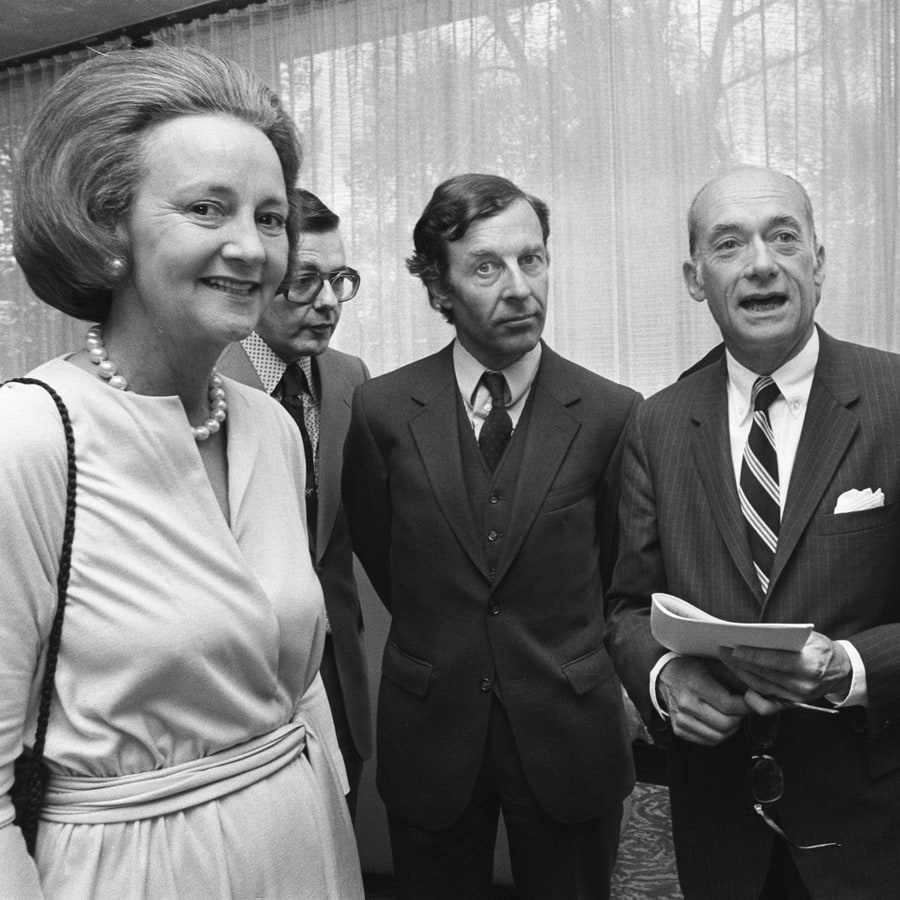
The journey of women leading Fortune 500 companies began in 1972 with Katharine Graham, who became the CEO of The Washington Post. This groundbreaking step was the first to break the male dominance in leading major companies in the United States, as no woman had held such a position since the list's inception in 1955. This beginning marked the start of a long journey towards achieving gender balance in senior leadership roles.
In the following years, other women joined the leadership ranks, such as Marion Sandler, who served as the co-CEO of Golden West Financial with her husband, Herbert. However, the appointment of another woman as CEO of a Fortune 500 company did not occur until 1986, when Linda Wachner took the helm of Warnaco Group. This was followed by Jill Barad becoming the CEO of Mattel in 1997, leading to a noticeable increase in the number of women in leadership roles in the first decade of the 21st century.
Between 2000 and 2010, more than twenty women were appointed as CEOs of Fortune 500 companies. However, all these women were white until 1999, when the first woman of color of East Asian descent was appointed as CEO of a listed company. These developments reflect a broader movement aimed at enhancing diversity and inclusivity in senior leadership positions.
"A Brief History of Female Fortune 500 CEOs" seeks to enhance understanding of the history of women in leadership, which can contribute to shaping a more balanced and inclusive future. The initiative provides valuable insights into the challenges and opportunities women have faced on their journey to leadership, helping to deepen understanding of the path women have traveled so far and the lessons learned that can guide future efforts.
This initiative plays a prominent role in current discussions about women's leadership, especially during Women's History Month, celebrated every March. By documenting and presenting historical narratives about women in leadership, the initiative contributes to raising awareness and appreciation for women's leadership roles in major corporations. It also serves as a model for promoting diversity and inclusivity in corporate leadership.
"A Brief History of Female Fortune 500 CEOs" continues to influence the sector by providing historical insights and facts that contribute to the discussion on the importance of diversity and inclusivity in leadership. The initiative aims to present a comprehensive picture of the challenges women have faced on their journey to leadership and how these experiences can form a strong foundation for a more inclusive and diverse future in the business world. Through these efforts, the initiative supports and motivates women to pursue leadership positions, enhancing their ability to impact work environments and achieve success in various fields.
Share this page
https://leadmark.bio/m/a-brief-history-of-female-fortune-500-ceos-lead-read-today-en
Is this your page?
This page was prepared from public sources. Claim your profile to get the verification badge and full control of your content.
Claim this page